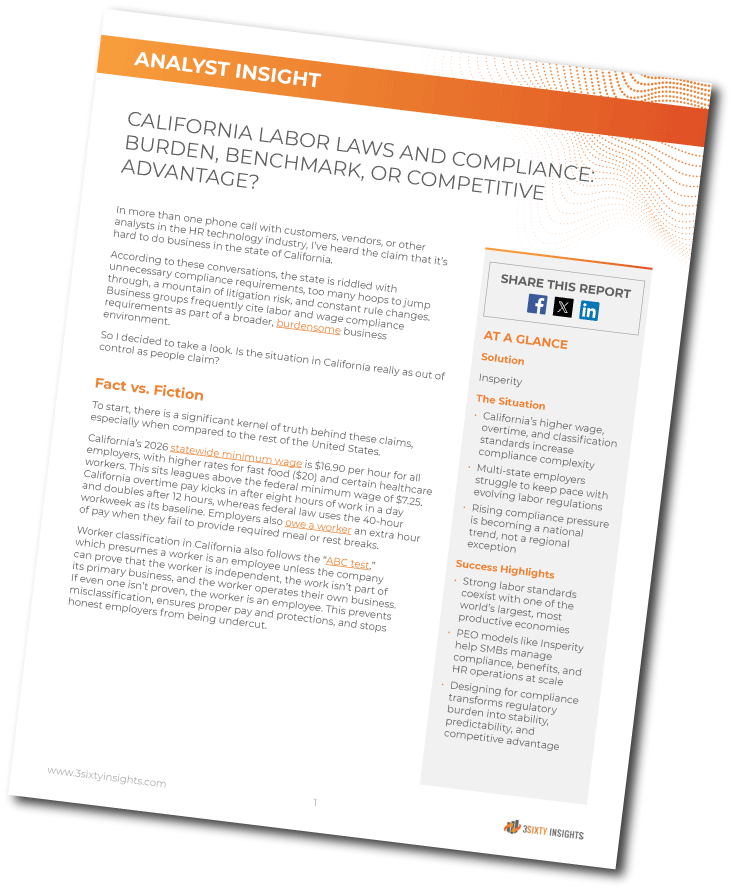
 In more than one phone call with customers, vendors, or other analysts in the HR technology industry, I’ve heard the claim that it’s hard to do business in the state of California.
According to these conversations, the state is riddled with unnecessary compliance requirements, too many hoops to jump through, a mountain of litigation risk, and constant rule changes. Business groups frequently cite labor and wage compliance requirements as part of a broader, burdensome business environment.
So I decided to take a look. Is the situation in California really as out of control as people claim?
Fact vs. Fiction
To start, there is a significant kernel of truth behind these claims, especially when compared to the rest of the United States.
California’s 2026 statewide minimum wage is $16.90 per hour for all employers, with higher rates for fast food ($20) and certain healthcare workers. This sits leagues above the federal minimum wage of $7.25. California overtime pay kicks in after eight hours of work in a day and doubles after 12 hours, whereas federal law uses the 40-hour workweek as its baseline. Employers also owe a worker an extra hour of pay when they fail to provide required meal or rest breaks.
Worker classification in California also follows the “ABC test,” which presumes a worker is an employee unless the company can prove that the worker is independent, the work isn’t part of its primary business, and the worker operates their own business. If even one isn’t proven, the worker is an employee. This prevents misclassification, ensures proper pay and protections, and stops honest employers from being undercut.
Continue Reading: